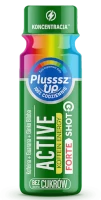
Most athletes focus obsessively on protein intake and sleep quality after training, yet they consistently overlook the single factor that determines how fast their muscles actually recover: electrolyte balance. Research published by the American College of Sports Medicine confirms that even a 2% loss of body weight through sweat impairs physical performance, and that loss is almost entirely driven by electrolyte depletion, not just fluid loss. Electrolytes for sports recovery are not a marketing concept. They are a physiological requirement, and getting them wrong costs you days of recovery time.
Key Insight |
Explanation |
|---|---|
Electrolytes drive muscle repair, not just hydration |
Sodium, potassium, and magnesium regulate muscle contraction and protein synthesis. Without them, recovery stalls regardless of protein intake. |
Water alone does not replace what sweat removes |
Sweat contains sodium, chloride, potassium, calcium, and magnesium. Plain water dilutes electrolyte concentration further rather than restoring it. |
No added sugar formulas are superior for active individuals |
Sugar spikes disrupt insulin response post-exercise, interfering with glycogen restoration and fat metabolism during recovery windows. |
Timing is critical: the 30-minute post-exercise window matters |
Electrolyte uptake is most efficient in the 30 minutes immediately after training when blood flow to muscle tissue remains elevated. |
Plusssz Electrolytes SPORT is formulated specifically for this recovery window |
The formula targets active individuals with a blend optimised for rapid mineral replenishment without unnecessary additives or sugar. |
Chronic electrolyte deficiency compounds over time |
A common mistake is treating electrolytes as optional. Repeated depletion across training weeks degrades baseline performance and increases injury risk. |
Hydration supplements UK options vary widely in quality |
Many products on the UK market rely on flavouring, sweeteners, and fillers. Mineral bioavailability differs significantly between formulations. |

Electrolytes are minerals that carry an electrical charge when dissolved in fluid. The primary ones relevant to sport and recovery are sodium, potassium, magnesium, calcium, and chloride. Each one plays a specific, non-interchangeable role in how your body functions under physical stress.
Sodium regulates fluid balance and nerve signal transmission. Potassium controls muscle contraction and relaxation. Magnesium is required for over 300 enzymatic reactions, including those directly involved in energy production and muscle repair. Calcium triggers the actual contraction of muscle fibres. Lose any of these at sufficient scale and the physical consequences are immediate and measurable.
In practice, what athletes experience as post-workout fatigue, muscle cramps, or that heavy-legged feeling 24 hours after a hard session is often electrolyte depletion rather than structural muscle damage. That distinction matters because the solution is completely different. You cannot eat your way out of it with protein. You need mineral replenishment.
Magnesium is the most underappreciated electrolyte in sports nutrition. A 2022 review in the journal Nutrients found that magnesium supplementation significantly reduced markers of muscle damage and inflammation in athletes following intense resistance training. Yet magnesium is the mineral most commonly depleted in sweat and the least prioritised in standard sports drinks.
Many UK athletes are already borderline deficient in magnesium before they even start training. When you layer significant sweat loss on top of a mild baseline deficiency, recovery becomes genuinely impaired. The data consistently shows that athletes who maintain adequate magnesium levels recover faster between sessions and sustain higher training loads over time.
Pro tip: If you consistently feel muscle soreness lasting more than 48 hours after moderate-intensity training, magnesium deficiency is one of the first things to investigate before assuming overtraining.
The recovery process after exercise involves three overlapping phases: inflammation and cellular repair, glycogen restoration, and protein synthesis for muscle rebuilding. Electrolytes are active participants in all three, not passive bystanders.
Sodium and potassium work together to maintain the electrical gradient across cell membranes. This gradient is what allows nutrients, including the amino acids needed for muscle repair, to move into muscle cells efficiently. When that gradient is disrupted by electrolyte loss, nutrient uptake slows. You can consume adequate protein and carbohydrates and still recover poorly because the cellular machinery for using them is compromised.
Why Cramping is a Warning Sign, Not a Minor Inconvenience
A common mistake is treating exercise-induced cramps as simply a sign of dehydration. Research from the British Journal of Sports Medicine indicates that exercise-associated muscle cramping correlates more strongly with electrolyte imbalance, particularly sodium and potassium deficiency, than with total fluid deficit. Cramping is your body signalling a mineral emergency.
Ignoring repeated cramping and responding only with water intake will worsen the situation. Drinking large volumes of plain water during or after exercise dilutes the remaining electrolytes in your bloodstream, a condition called hyponatraemia. In serious cases this becomes medically dangerous. In everyday training contexts, it simply prolongs the recovery timeline unnecessarily.
"Electrolyte imbalance, not just dehydration, is the primary driver of impaired recovery and performance decline in endurance and strength athletes." - American College of Sports Medicine Position Stand on Exercise and Fluid Replacement
Sports performance hydration has to account for mineral replenishment, not just volume replacement. That is the core principle that separates effective recovery hydration from drinking water with added flavouring.
The UK sports nutrition market is saturated with products that combine electrolytes with high sugar loads. For endurance athletes consuming these during a four-hour event, the sugar serves a purpose. For the vast majority of active individuals using electrolytes during a 60-minute gym session or as post-exercise recovery, that sugar is counter-productive.
After exercise, insulin sensitivity is elevated and the body is primed to restore glycogen. A sudden sugar spike from a high-sugar electrolyte drink triggers a pronounced insulin response that, in susceptible individuals, can cause reactive hypoglycaemia and fatigue within 30 to 60 minutes. It also disrupts the hormonal environment that supports fat oxidation during the recovery period.
No added sugar electrolytes are not simply lower-calorie products. They are formulated to deliver the mineral content your body actually needs without the metabolic disruption that high sugar loads create. This is particularly relevant for individuals managing weight, blood glucose levels, or metabolic health alongside an active lifestyle.
Plusssz Electrolytes SPORT takes this approach directly. The formulation is designed for active individuals who want clean mineral replenishment without unnecessary additives. When you compare this to mainstream hydration products from brands like Science in Sport or High Five, the ingredient lists tell a clear story about different priorities in formulation philosophy.
Pro tip: Read the ingredients list on any electrolyte product before the nutrition panel. The order of ingredients reveals whether the product is primarily a mineral supplement or primarily a flavoured sugar drink with mineral additions.

Not all hydration strategies deliver the same recovery outcomes. The table below compares the three most common approaches used by active individuals in the UK, based on formulation priorities and practical recovery impact.
Approach |
Key Characteristics |
Recovery Effectiveness |
|---|---|---|
Plain water only |
Zero electrolytes, zero calories. Addresses fluid volume but not mineral balance. |
Low. Can worsen electrolyte dilution. Inadequate for sessions over 45 minutes or in warm conditions. |
High-sugar sports drinks (e.g. mainstream isotonic brands) |
Electrolytes plus significant sugar content, typically 20-30g per serving. Designed primarily for endurance fuelling. |
Moderate for endurance events. Counterproductive for short-session recovery due to insulin disruption and excess caloric load. |
No added sugar electrolyte supplements (e.g. Plusssz Electrolytes SPORT) |
Targeted mineral blend without added sugar. Formulated for recovery and daily active use across demographics. |
High for post-exercise recovery, gym sessions, and multi-session training days. Supports mineral restoration without metabolic disruption. |
The comparison above is not a close call for the majority of active individuals. Unless you are fuelling a sustained endurance effort requiring exogenous carbohydrates, a no added sugar electrolyte formula consistently delivers better recovery outcomes than either plain water or a high-sugar sports drink.
The most common mistake in electrolyte use is consuming them too late. Many athletes drink a recovery shake, eat a meal, and only then reach for hydration support an hour or more after finishing exercise. By this point, the optimal recovery window has passed and the cellular processes that benefit most from electrolyte availability are already running on a deficit.
The 30-minute post-exercise window is not arbitrary. During this period, blood flow to muscle tissue remains elevated, cell membrane permeability is increased, and the enzymatic pathways for repair are at peak activity. Electrolyte delivery during this window allows minerals to reach the cells that need them most, when they are most receptive.
For sessions lasting longer than 60 minutes, particularly in warm conditions or when training multiple times in a day, pre-loading electrolytes 20 to 30 minutes before exercise reduces the severity of depletion during the session. This is especially relevant for active individuals in the UK during summer months when sweat rates increase significantly even in moderate temperatures.
The data consistently shows that athletes who enter exercise in a well-mineralised state sustain performance longer and begin the recovery process from a less depleted baseline. The difference between a good training week and a difficult one often comes down to this kind of systematic approach rather than any single dramatic intervention.
Recovery does not happen only in the hour after a session. It is a continuous process. Maintaining consistent electrolyte intake throughout the day, particularly on training days, supports the sustained cellular repair that occurs over 24 to 72 hours following intense exercise. Plusssz hydration products are designed to fit into this daily pattern rather than functioning as a single post-workout product only.
Pro tip: On high-intensity training days, split your electrolyte intake across three points: before, during, and after exercise. This maintains a consistent mineral environment throughout the training and recovery cycle rather than attempting a single large correction after the session ends.
Electrolyte needs are not uniform. They vary based on training intensity, session duration, body weight, sweat rate, age, and sex. A blanket recommendation of a single serving for every athlete ignores meaningful physiological differences that affect both depletion rates and recovery requirements.
Athletes focused on resistance training often underestimate their electrolyte losses because they do not experience the volume of visible sweat associated with endurance sport. However, high-intensity resistance work generates significant metabolic stress and moderate to high sweat rates depending on session length and training environment. Magnesium demand is particularly elevated due to its role in ATP production and protein synthesis.
For this group, electrolyte supplementation is less about fluid replacement and more about supporting the cellular biochemistry of muscle repair. The Plusssz Electrolytes SPORT range addresses this with a mineral profile that supports both energy production and recovery, not just fluid balance.
Older adults experience a natural decline in thirst sensation, which means electrolyte depletion can occur without the subjective feeling of thirst that would prompt a younger athlete to hydrate. Combined with age-related changes in kidney function that affect electrolyte regulation, seniors engaged in regular physical activity face a genuinely elevated risk from electrolyte imbalance.
Plusssz specifically formulates for this demographic through products designed with improved nutrient assimilability, recognising that absorption efficiency declines with age. This is a meaningful differentiator from generic hydration supplements that apply a one-size-fits-all approach.
Female athletes experience cyclical hormonal changes that directly affect electrolyte balance. Oestrogen and progesterone influence sodium and water retention, meaning electrolyte requirements shift across the menstrual cycle. In the luteal phase, progesterone has a natriuretic effect, increasing sodium excretion and elevating the risk of electrolyte depletion during training. Ignoring these patterns leads to inconsistent recovery quality that many women incorrectly attribute to fitness plateaus or overtraining.
The best electrolytes for sports recovery combine sodium, potassium, magnesium, and calcium in bioavailable forms without added sugar. In the UK, Plusssz Electrolytes SPORT is formulated specifically for active individuals seeking clean mineral replenishment. Look for products that disclose exact mineral amounts per serving rather than hiding quantities behind proprietary blend labels.
Plain water replaces fluid volume but does not replace the minerals lost in sweat. After any session lasting more than 45 minutes, or any session involving significant sweating, water alone is insufficient. Drinking large amounts of plain water post-exercise can actually dilute remaining electrolytes in your blood, which extends recovery time rather than shortening it.
Electrolyte absorption begins within minutes of consumption. Blood plasma electrolyte levels begin to normalise within 30 to 60 minutes following supplementation with a well-formulated product. The recovery benefits, including reduced cramping, improved muscle function, and faster restoration of energy, are typically noticeable within one to two hours of post-exercise electrolyte intake.
For post-exercise recovery, no added sugar electrolytes are more effective for the majority of active individuals. The absence of sugar prevents the insulin disruption that high-sugar products cause during the recovery window. Unless you are specifically fuelling prolonged endurance exercise lasting more than 90 minutes, added sugar in an electrolyte product provides no recovery benefit and introduces metabolic drawbacks.
Plusssz Electrolytes SPORT is formulated specifically for active individuals with a no added sugar approach and improved nutrient assimilability. ORS Hydration focuses primarily on clinical rehydration protocols derived from oral rehydration therapy standards. Science in Sport and High Five products are largely designed around endurance fuelling and contain significant sugar content suited to prolonged events rather than everyday training recovery. The Plusssz formulation addresses daily active use across multiple demographics including seniors and women, which competitors largely ignore in their product architecture.
The optimal timing is within 30 minutes after exercise, when blood flow to muscle tissue is still elevated and cellular uptake is most efficient. For sessions longer than 60 minutes, splitting intake before, during, and after exercise maintains a more consistent mineral environment and reduces the severity of depletion that has to be corrected post-session. Consistent daily intake on training days produces better cumulative recovery outcomes than treating electrolytes as an emergency post-workout fix.
If you have been using electrolytes as part of your training and recovery routine, share what you have noticed about your recovery times and performance in the comments below. Your experience helps other active individuals make more informed decisions about their hydration approach.